Archives
- 2026-10
- 2026-09
- 2026-08
- 2026-07
- 2026-06
- 2026-05
- 2026-04
- 2026-03
- 2026-02
- 2026-01
- 2025-12
- 2025-11
- 2025-10
- 2025-09
- 2025-03
- 2025-02
- 2025-01
- 2024-12
- 2024-11
- 2024-10
- 2024-09
- 2024-08
- 2024-07
- 2024-06
- 2024-05
- 2024-04
- 2024-03
- 2024-02
- 2024-01
- 2023-12
- 2023-11
- 2023-10
- 2023-09
- 2023-08
- 2023-07
- 2023-06
- 2023-05
- 2023-04
- 2023-03
- 2023-02
- 2023-01
- 2022-12
- 2022-11
- 2022-10
- 2022-09
- 2022-08
- 2022-07
- 2022-06
- 2022-05
- 2022-04
- 2022-03
- 2022-02
- 2022-01
-
br Other Strategies for HIF Inhibition NSC
2024-04-08
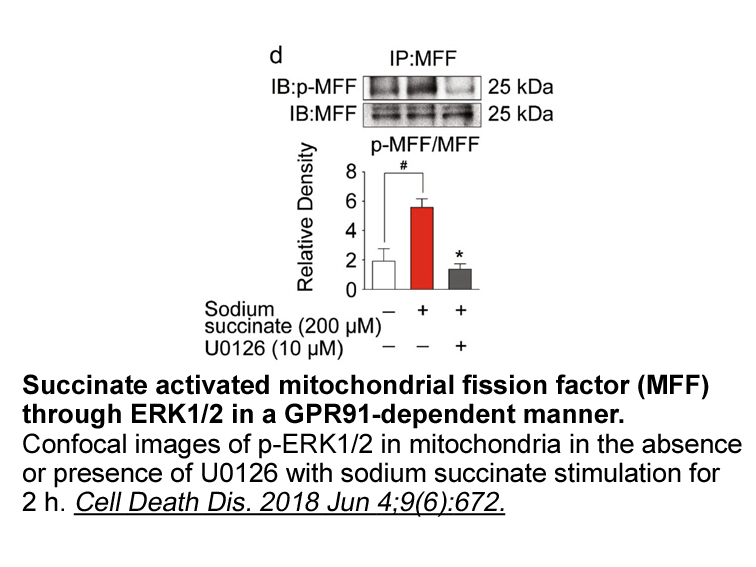
Other Strategies for HIF-α Inhibition NSC-644221 is another HIF-α inhibitor acting at the translational level, independently of proteasomal degradation and VHL status, and is devoid of DNA damage-inducing properties [70]. NSC-644221 arrests mefloquine hcl receptor in G2–M through a cell type-spec
-
br Duality of interest br Contribution
2024-04-08
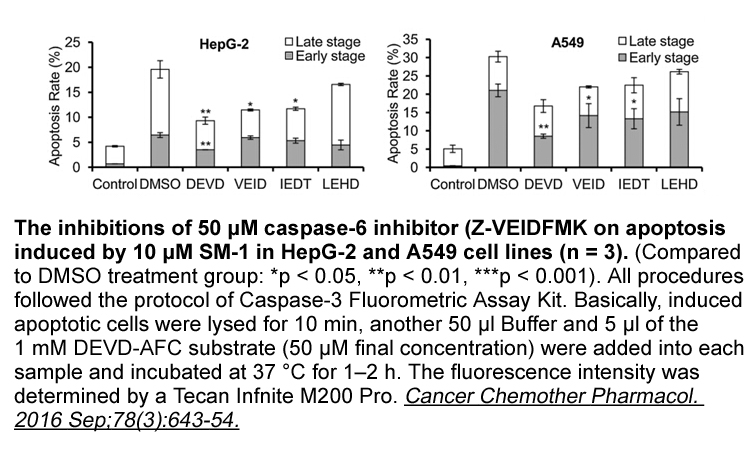
Duality of interest Contribution statement Acknowledgments Introduction Rapid, cell surface-initiated steroid actions have been reported for all major groups of steroid hormones and our understanding of membrane-mediated steroid actions has progressed rapidly over the last two decades. M
-
The current results also demonstrated tendencies toward
2024-04-08

The current results also demonstrated tendencies toward decreased serum Aβ40 levels and increased Aβ42 levels during the 1-year follow-up. These tendencies are consistent with the results of a previous study that evaluated Aβs in the CSF of patients with late-life depression (Pomara et al., 2016). T
-
Platelet derived growth factor PDGF and ciliary neurotrophic
2024-04-08
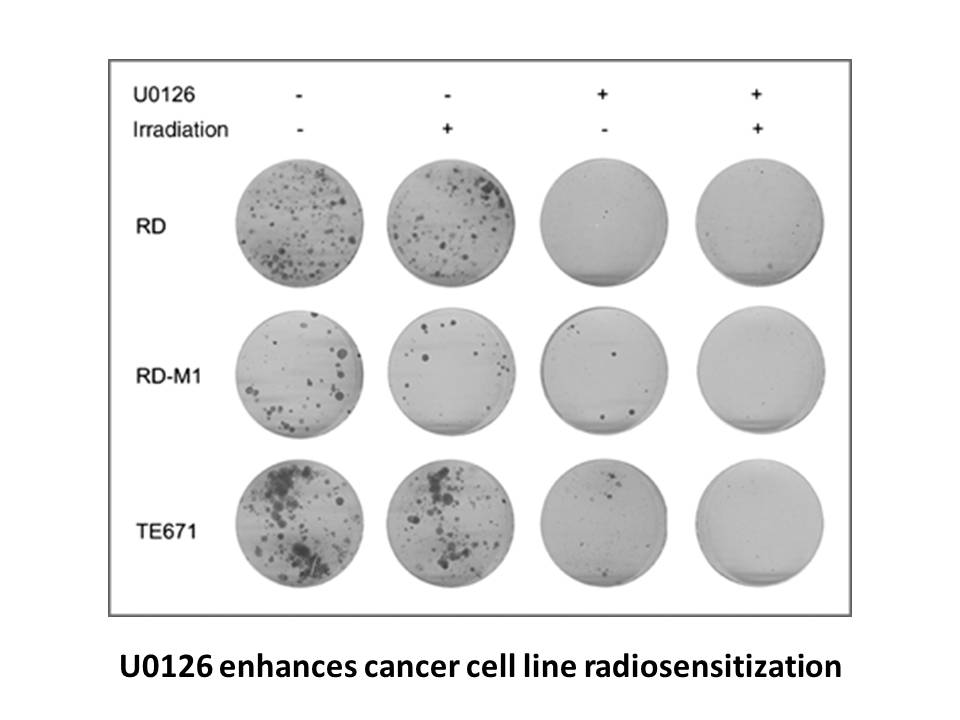
Platelet-derived growth factor (PDGF) and ciliary neurotrophic factor (CNTF) are expressed by glial Phloretin and are important to neuron survival and the maintenance of oligodendrocytes. These neurotrophic factors contribute to the remyelination process by increasing the proliferation of oligodend
-
br Results We set out to
2024-04-08
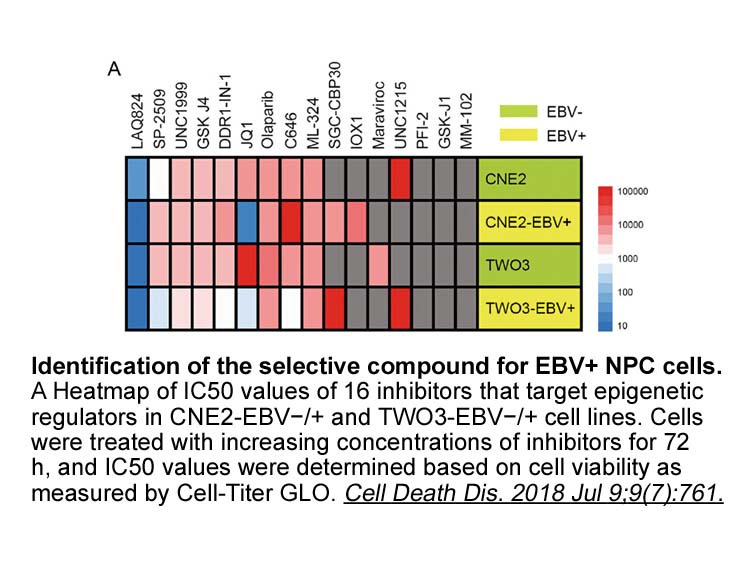
Results We set out to identify in an unbiased manner a set of candidate “scaling factors” that might participate in transcription-dependent synaptic scaling up. The ex vivo slice and profiling studies were conducted on HsCt5 mice (described later) at postnatal day (P) 14 to P15, an age at which s
-
Previous studies to investigate the functions
2024-04-08
Previous studies to investigate the functions of AHR in Treg ketorolac toradol have employed a loss-of-function approach, using AHR complete-null mice, or a gain-of-function approach by ligand administration. However, these approaches may confound the interpretation of the results. For example, the
-
Since non lipoprotein derived free cholesterol
2024-04-08
Since non-lipoprotein-derived free cholesterol is recycled from the plasma membrane through the endosomal system through receptor-independent mechanisms, we wanted to determine whether ABCA2 could alter the trafficking of this source of free cholesterol. Our approach was to measure the effect of mob
-
A more versatile cellular delivery system
2024-04-08
A more versatile cellular delivery system for adenosine was generated by engineering mouse embryonic stem cells to lack both vorinostat sale of Adk (Fedele et al., 2004). Using a step-wise differentiation protocol (Okabe et al., 1996) Adk−/− ES cells were differentiated into transplantable adenosi
-
br Results br Discussion The present study
2024-04-08
Results Discussion The present study uncovers a role of calpain, a family of calcium-dependent protease, in regulating postsynaptic differentiation at the NMJ. Cholinergic activation stimulates calpain, whose inhibition stabilizes AChR clusters in cultured muscle (-)-p-Bromotetramisole Oxalate
-
With the treatment options available today including a combi
2024-04-08
With the treatment options available today including a combination of symptomatic treatments and general immunosuppression, many MG patients can lead productive lives [1], [4], [20]. The frequency of death has decreased due to improved management and detection of milder cases. At present, the overal
-
The adult muscle type acetylcholine receptor
2024-04-08
The adult muscle-type AZD1480 australia receptor (AChR), the exemplar pLGIC, is a heteropentamer comprising two α subunits, and one each of the β, δ, and ɛ subunits (Sine, 2012). These five subunits come together in a counterclockwise α-ɛ-α-δ-β arrangement (Figure 1A). Binding of acetylcholine to t
-
Introduction Mitotic kinases play an essential role
2024-04-08
Introduction Mitotic kinases play an essential role in mitosis, Aurora and other mitotic kinases are often observed over-expression in human solid and many hematologic cancers. As one of serine/threonine kinases, Aurora kinase family is involved in centrosome maturation, mitotic spindle formation,
-
Demonstration of in vivo efficacy of potential chemopreventi
2024-04-08
Demonstration of in vivo efficacy of potential chemopreventive agents in animal models is necessary for their clinical development. Our present study provides experimental evidence that CuB 0.1μmol by oral administration (for 2weeks before the cancer cell injection, 5days per week) significantly inh
-
In a missense mutation at codon of
2024-04-07
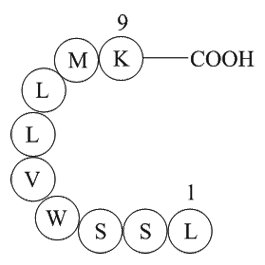
In 1989, a missense mutation at codon 102 of the PRNP gene was first reported to be associated with GSS and, in 1991, the same mutation was also found in affected members of the “H” family (Hsiao et al., 1989; Kretzschmar et al., 1991). By 1995, the pedigree of the “H” family included 221 family mem
-
NHS-SS-Biotin The clinical impact of our findings
2024-04-07
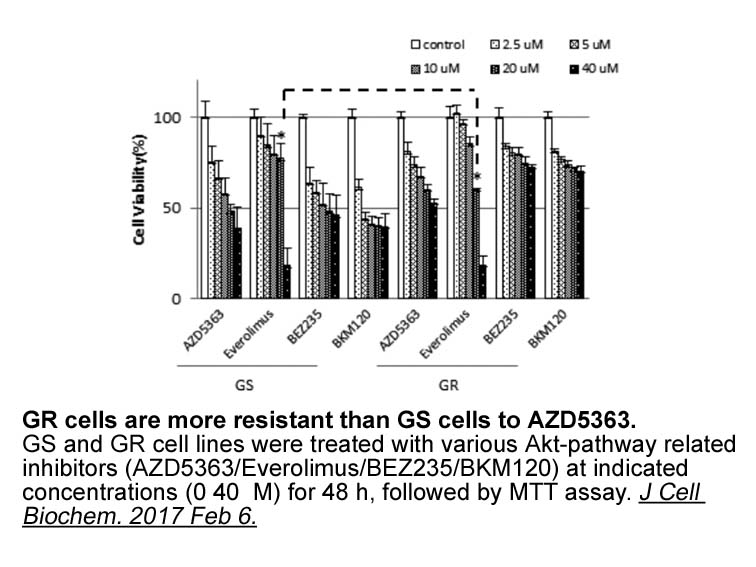
The clinical impact of our findings is also supported by our earlier report that the level of 12-LOX expression was correlated with the tumor stage and grade [17], [52] and that overall, 38% of patients demonstrated elevated levels of 12-LOX in prostate cancer tissue compared with their matching nor
8524 records 207/569 page Previous Next First page 上5页 206207208209210 下5页 Last page