Archives
- 2026-06
- 2026-05
- 2026-04
- 2026-03
- 2026-02
- 2026-01
- 2025-12
- 2025-11
- 2025-10
- 2025-09
- 2025-03
- 2025-02
- 2025-01
- 2024-12
- 2024-11
- 2024-10
- 2024-09
- 2024-08
- 2024-07
- 2024-06
- 2024-05
- 2024-04
- 2024-03
- 2024-02
- 2024-01
- 2023-12
- 2023-11
- 2023-10
- 2023-09
- 2023-08
- 2023-07
- 2023-06
- 2023-05
- 2023-04
- 2023-03
- 2023-02
- 2023-01
- 2022-12
- 2022-11
- 2022-10
- 2022-09
- 2022-08
- 2022-07
- 2022-06
- 2022-05
- 2022-04
- 2022-03
- 2022-02
- 2022-01
- 2021-12
- 2021-11
- 2021-10
- 2021-09
- 2021-08
- 2021-07
- 2021-06
- 2021-05
- 2021-04
- 2021-03
- 2021-02
- 2021-01
- 2020-12
- 2020-11
- 2020-10
- 2020-09
- 2020-08
- 2020-07
- 2020-06
- 2020-05
- 2020-04
- 2020-03
- 2020-02
- 2020-01
- 2019-12
- 2019-11
- 2019-10
- 2019-09
- 2019-08
- 2019-07
- 2019-06
- 2019-05
- 2019-04
- 2018-07
-
Importantly MPO is not only a marker of
2021-02-26
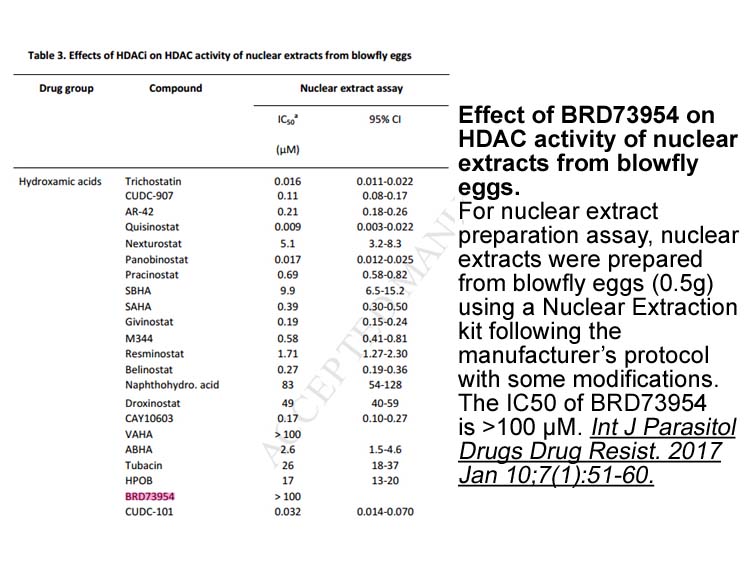
Importantly, MPO is not only a marker of cardiovascular disease but also emerges as a critical mediator of vascular inflammatory disease: Liberated MPO binds to the endothelium in a leukocyte-independent manner, is subsequently taken up by the endothelium and transcytoses and accumulates in the sube
-
The hepatic constitutive levels of
2021-02-26
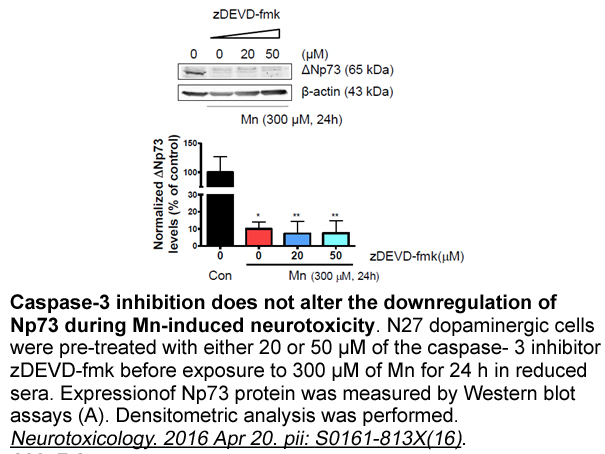
The hepatic constitutive levels of CYP1A2 were minimal and were below detectable limits in the kidney, indicating an organ-specific trend which has been reported by other groups (Hawke and Welch, 1985, Paolini et al., 1997, Parkinson, 1996, Villard et al., 1998). Retinol administration did not have
-
br Expression and Tissue Functions of DDRs
2021-02-26
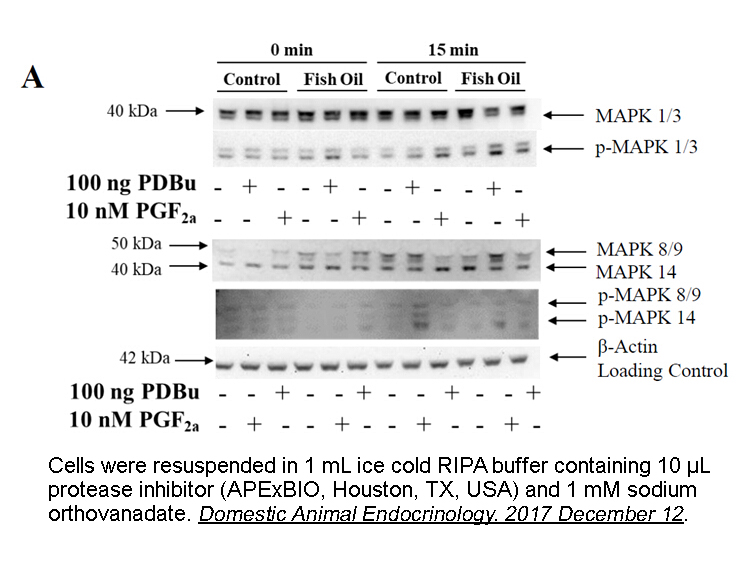
Expression and Tissue Functions of DDRs The DDRs are widely expressed in different tissues, both during development and in adult organisms. DDR1 mRNA is found in many tissues in mice and humans, with high levels in brain, lung, kidney, spleen, and placenta (Di Marco et al., 1993, Johnson et al.,
-
Similarly in the EAE model Chalmin et al previously demonstr
2021-02-26

Similarly in the EAE model, Chalmin et al. previously demonstrated that EBI2 and CH25H might be responsible for the efficient egress of differentiated Th17 cells from the draining lymph nodes [31]. As discussed above, in active EAE we did not find differences in EAE development and only the transfer
-
br Acknowledgments The authors thank Dr Tai
2021-02-26
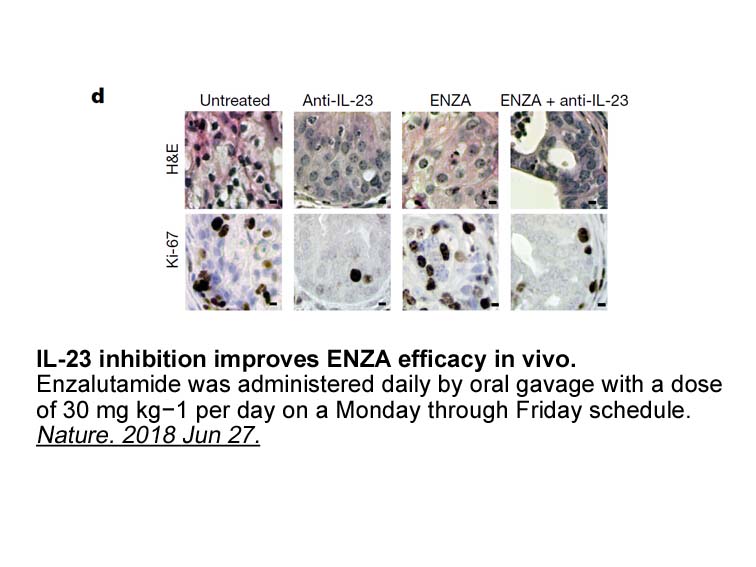
Acknowledgments The authors thank Dr. Tai-Sheng Cheng, Yu-Wen Huang and Ting-Wei Gau for technical assistance. This work was supported by the National Science Council of TaiwanNSC 98-2320-B-024-002-MY3 and National University of TainanAB102-216. This information is available free of charge via th
-
Our data supports the conclusion that the exonuclease activi
2021-02-26
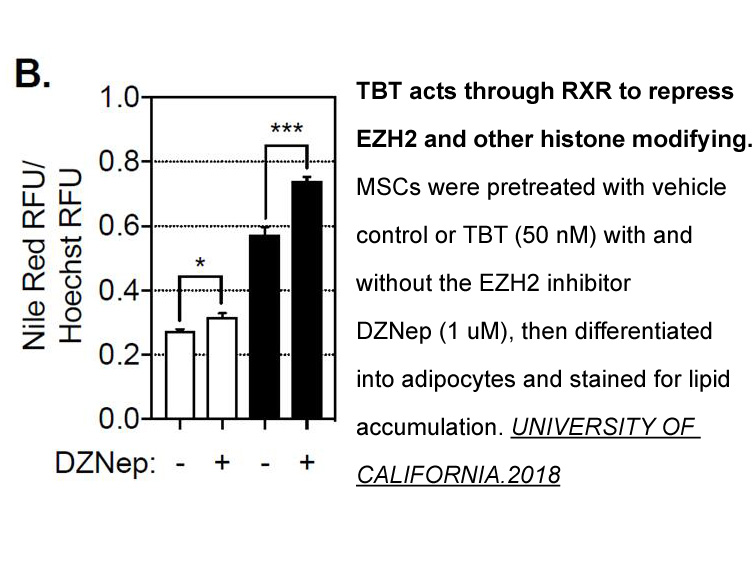
Our data supports the conclusion that the exonuclease activity thought to be intrinsic to Artemis is not a component of the Artemis polypeptide. Many possibilities exist to explain the presence of the exonuclease activity in less-pure fractions of Artemis. It is possible that the exonuclease is simp
-
Both meiotic COs and NCOs require DNA synthesis
2021-02-25
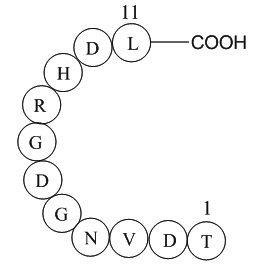
Both meiotic COs and NCOs require DNA synthesis, current data from sequencing also suggest that COs require more DNA synthesis than NCO 63., 64., 65.. However, analysis of the role of DNA synthesis in NCOs remains relatively uncharacterized. Emerging evidence points to a role for either Polδ or Polε
-
In the past few years
2021-02-25
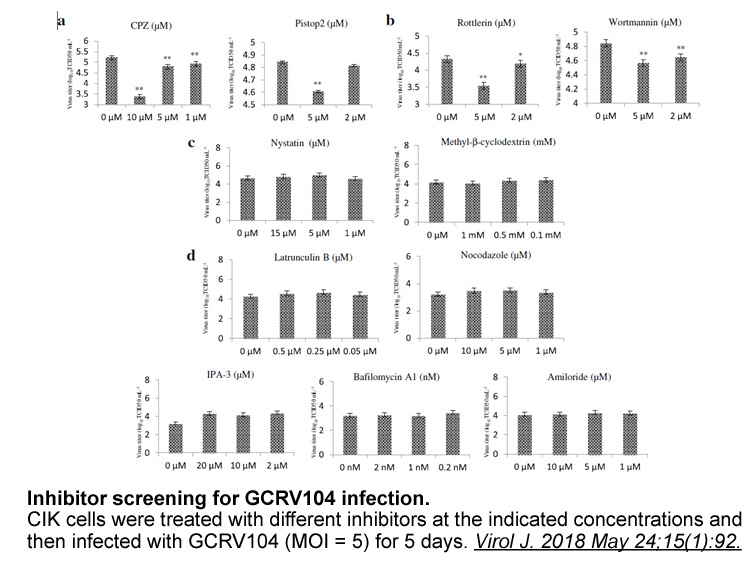
In the past few years, DNA-templated fluorescent metal nanoparticles have been developed as ideal alternatives to organic dyes due to their facile synthetic process, outstanding optical properties, ultrafine size, and fine biological compatibility. Since the first successful demonstration of DNA-tem
-
Cdc which is involved in filopodium
2021-02-25
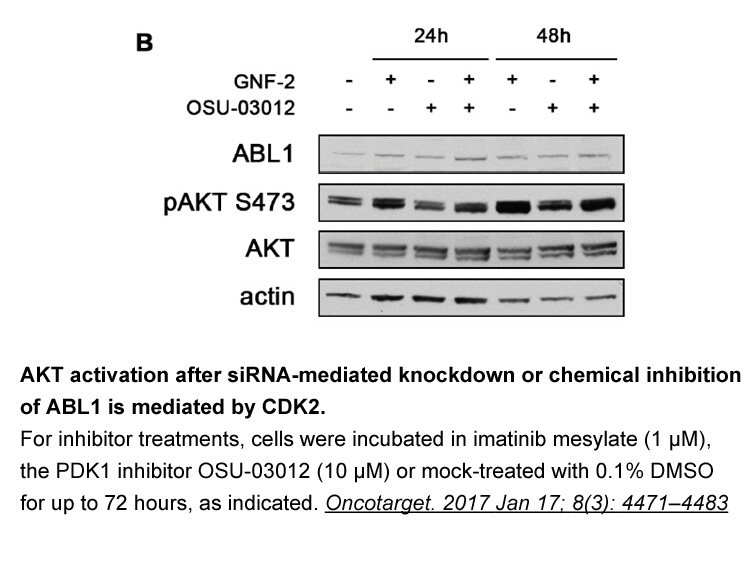
Cdc42, which is involved in filopodium formation, and Rac1, which is involved in lamellipodium formation, engage in cross-talk with one another [25,26,30,31]. In general, filopodium formation precedes lamellipodium formation, and filopodium formation (Cdc42 activity) suppresses lamellipodium formati
-
DGK is classified into the type II DGK subfamily As
2021-02-25

DGKη is classified into the type II DGK subfamily [12], [13], [14], [15]. As described above, DGKη has the splice variants η1 and η2 [10]. DGKs η1 and η2 possess in common a pleckstrin homology domain at the N-terminus and a catalytic domain that is divided into two subdomains (catalytic subdomain-
-
Our data indicate that the ability of these
2021-02-25
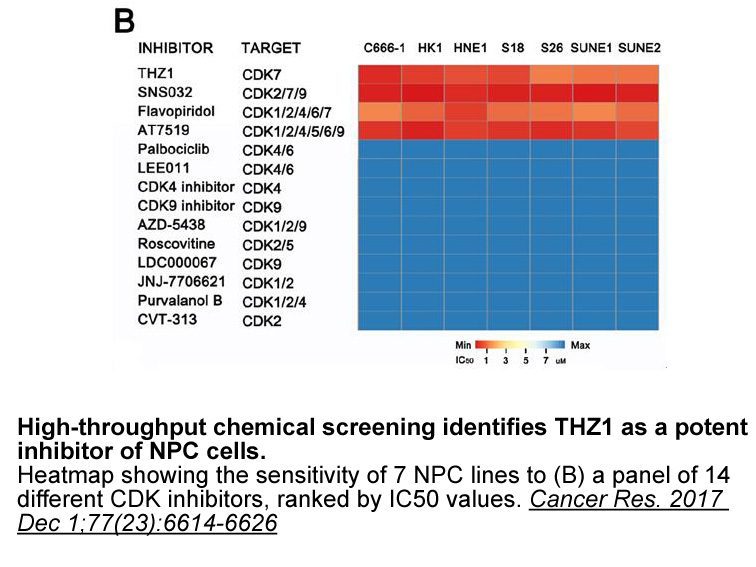
Our data indicate that the ability of these promiscuous kinases to bind chemically diverse inhibitors is defined by the hydrophobic pocket formed by the activation loop, which is only accessible in the DFG-Asp-out conformation. Inhibitors do not artificially induce the DFG-Asp-out conformation as wa
-
Atipamezole hydrochloride Fig S an adrenoceptor antagonist
2021-02-25
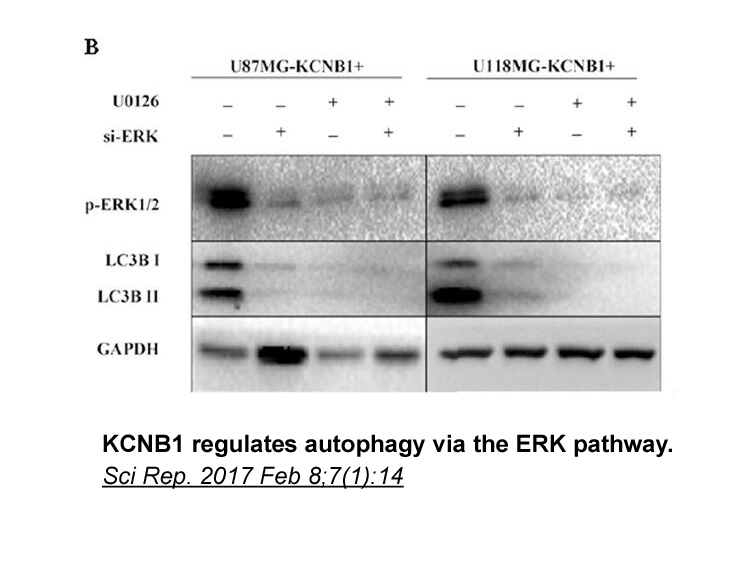
Atipamezole hydrochloride (Fig. S1), an α2-adrenoceptor antagonist, is commonly used by veterinarians to recover animals from sedation-anesthesia induced by α2-adrenoceptor agonists. Recent studies in animals suggest that atipamezole might have beneficial effects in IDH-C35 damage repair, it also h
-
Apart from its high affinity the
2021-02-25
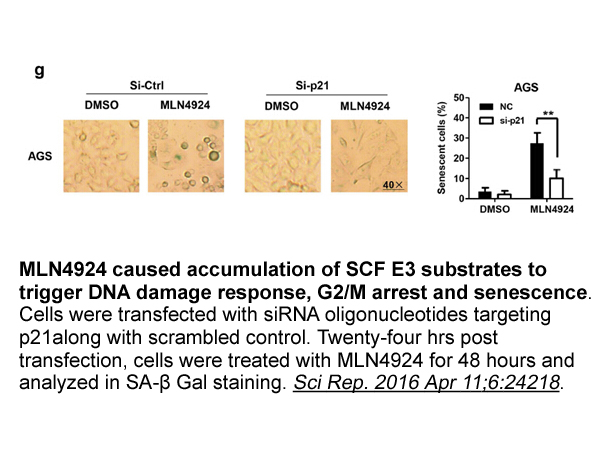
Apart from its high affinity, the selection of GW2580 as 745 lead in our radiotracer development program was motivated by its exceptional selectivity. The observed profound impact of small structural modifications on the selected panel of four kinases tested prompted us to conduct comprehensive kina
-
Materials and methods br Results br Discussion Microbial pro
2021-02-25
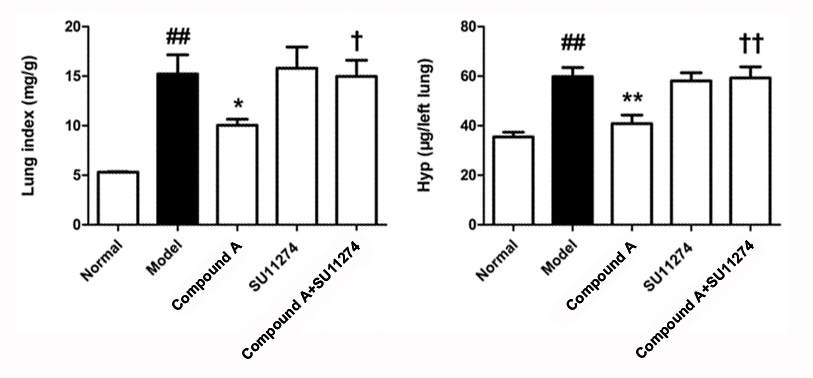
Materials and methods Results Discussion Microbial production of trans-4Hyp, an added-value amino Primaquine Diphosphate for pharmaceuticals, offers significant advantages over conventional chemical extraction in economic and environmental aspects. However the low titer and productivity with
-
In general terms PLA s participate in the Lands cycle
2021-02-25
In general terms, PLA2s participate in the Lands cycle of phospholipid fatty TNP-470 sale recycling [1,15,25], whereby the fatty acid composition at the sn-2 position of phospholipids is tightly controlled by a balance between hydrolytic reactions mediated by PLA2s versus activation of the free fat
16499 records 744/1100 page Previous Next First page 上5页 741742743744745 下5页 Last page